Using Real Guest Words to Upgrade Your Menu Descriptions and Social Posts
Practical steps for turning the way guests actually describe dishes and experiences into authentic, search-friendly menu copy and social captions that attract local diners.

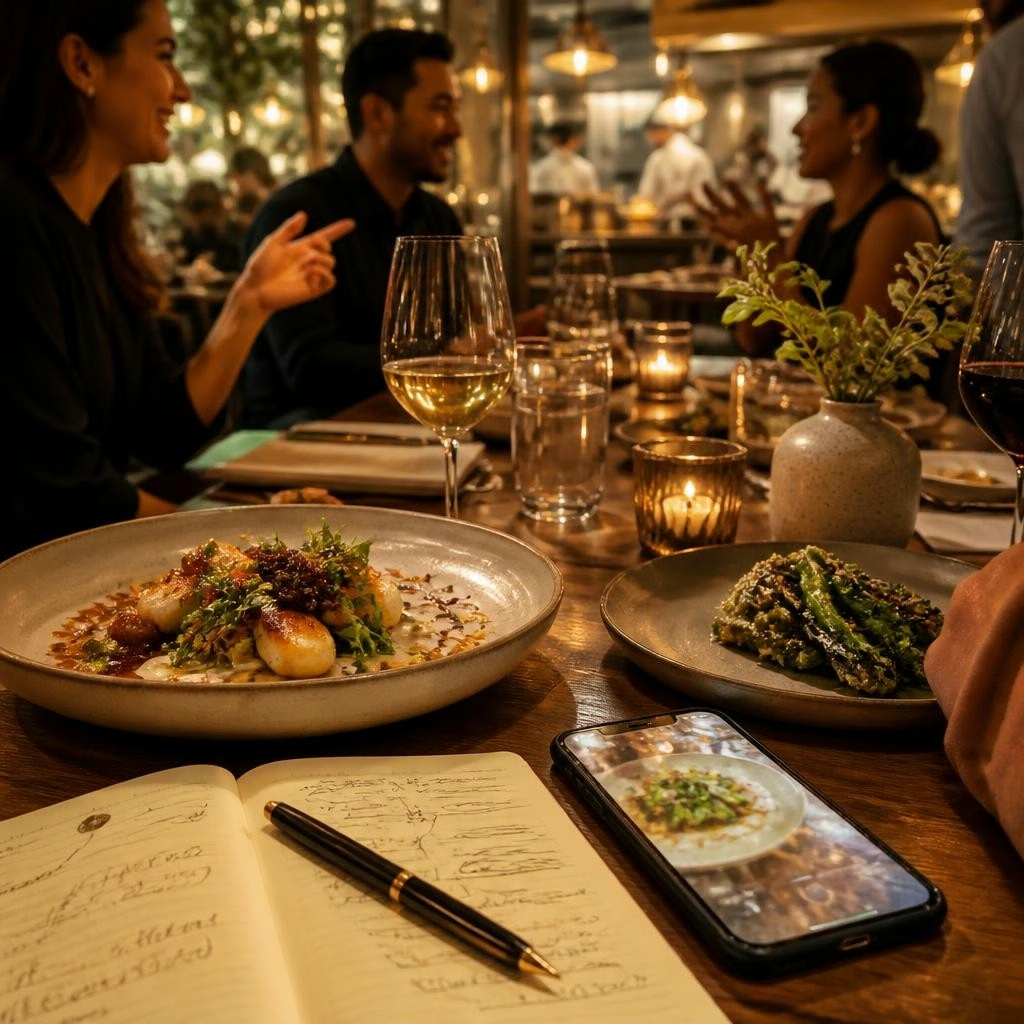
Why guest language matters more than polished marketing copy
Guests don’t speak in marketing phrases — they talk about textures, moments, and the small details that made their meal memorable. When your menu and social posts borrow those exact words and rhythms, the copy feels honest, helps potential diners imagine the experience, and matches the language people actually search for. That combination builds trust and makes your online presence more discoverable to local searchers.
Where to capture real guest words
Start with sources you already have: Google and social reviews, comment cards, direct messages, and casual notes from your front‑of‑house team. Even table talk written down by servers and feedback left on receipts or reservation platforms are useful. Treat every place a guest speaks about your food or service as a library of authentic phrases you can mine for copy.
What to listen for: language that moves people
When you read guest comments, look for sensory details (crisp, velvety, tangy), comparisons (better than…, like home), emotional triggers (perfect date night, brought back childhood), and specifics about how dishes are served (family‑style, quick to arrive). These small, repeatable fragments are the gold — they translate into menu lines and captions that feel immediate and believable.
Turning phrases into menu descriptions — a simple structure
Use a short, three-part menu formula: leading sensory adjective, short cooking technique or highlight, and one line of context or provenance. For example: “Crisp-skinned pan-seared fish • lemon-herb butter • locally sourced from weekend markets.” Swap in the guest words you find: if diners often say “bright and tangy,” lead with that. Keep descriptions tight, honest, and specific — avoid overblown claims and let the guest language do the convincing.
Practical templates you can reuse
Templates make it easy to convert guest phrases into live copy. Try: “[Guest adjective] [protein/veg] with [flavor/technique] — [brief context or size].” Or for on-the-go social posts: “Guests call it [short guest phrase]. Come taste the [dish name] this weekend.” Replace bracketed items with real guest words and dish names. These templates keep voice consistent while staying rooted in actual customer language.
Writing social captions that feel like a guest shared them
Social captions should read like a friendly recommendation rather than an advertisement. Pull a short guest phrase — two to five words — and pair it with a clear call to action: “Loved for its ‘smoky, melt‑in‑your‑mouth texture’ — join us tonight for a late dinner.” Add an image description that repeats the phrase naturally; that helps accessibility and gives search engines clear signals about what people appreciate.
Make guest words work for local search without sounding forced
Use guest phrases naturally across menu entries, Google Business Profile posts, and social captions. Include location signals where appropriate (neighborhood or city) alongside the guest phrase — for example, “Aberdeen favorites: our slow‑roasted ribs, praised for their fall‑off‑the‑bone tenderness.” Avoid keyword stuffing; aim for readable lines where guest language and local references coexist. RepUpgrade’s Business Profile Optimization and Local Trust Engine can help prioritize which phrases to highlight so your profile looks and reads like what real guests say.
A quick action checklist and when to get help
DIY checklist: 1) Collect recent reviews and staff notes for two weeks; 2) Highlight repeated adjectives and short phrases; 3) Draft 3–5 menu lines using the three‑part formula; 4) Create a week of social captions using guest phrases; 5) Update your Google Business Profile posts and menu text. If you’d rather not do this alone, RepUpgrade specializes in turning guest language into review replies, menu copy, and profile content — we map what guests already praise and turn it into content that helps search engines and real people find you. No guarantees — just practical help to make your online voice match the experience guests have in your room.
Article by
RepUpgrade
RepUpgrade helps independent restaurants turn customer praise into stronger Google visibility, better review responses, and more useful marketing content. Our Local Trust Engine helps owners understand what guests are saying, what proof is missing online, and what to improve first. We turn real customer words into review replies, social posts, articles, and reputation signals that help Google, search engines, and AI answer engines recommend the restaurant with more confidence. Built for restaurants that already do great work but need their online reputation to reflect the food, service, and hospitality guests experience in the room.