Turning Private Events and Catering Into Ongoing Google Review Momentum
A practical, step-by-step guide for restaurants to convert private parties and catering jobs into detailed Google reviews, social proof, and repeat group business—written in a warm, usable style by Mabel Writes.
Why private events matter for your online reputation
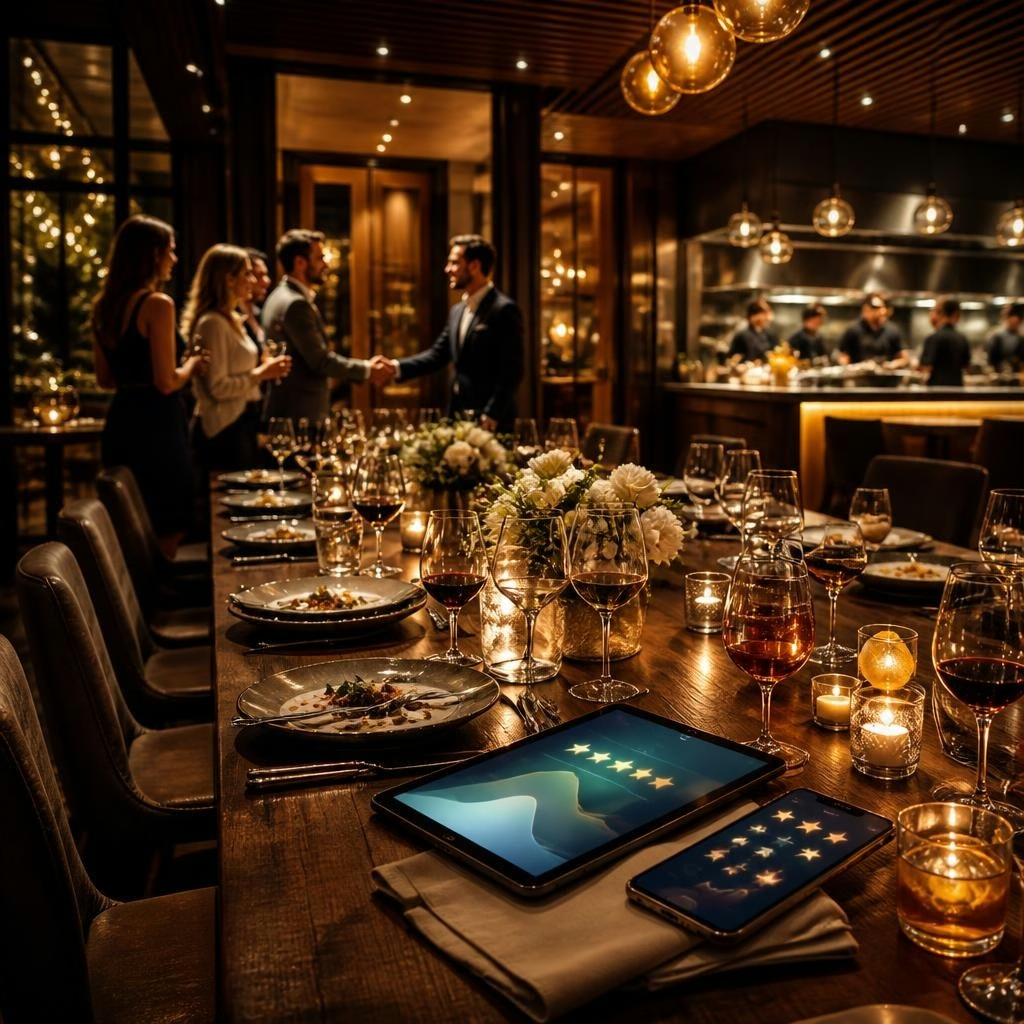
Private parties and catering jobs are high-value opportunities: groups notice the details, talk about the experience, and often have a network of potential new guests. Those detailed, enthusiastic reactions are exactly the kind of content that helps a restaurant’s Google presence show up more confidently for group searches, bookings, and recommendations. Turning those moments into steady review momentum means capturing feedback while the experience is fresh and making it easy for guests to share the specifics that matter—menu favorites, service highlights, and the atmosphere.
Start at booking: set expectations and gather permissions
Begin the follow-up process when the event is booked. Ask the host for the best contact method (email or phone) and whether they’re comfortable with post-event follow-up and photos. Let them know you’ll send a short message after the event asking for feedback and, optionally, a few photos to share on your restaurant profile. This upfront transparency makes guests more likely to respond and gives you permission to convert praise into public social proof.
Make post-event follow-up fast and human
Timing matters: reach out within 24–72 hours while memories are fresh. Use a brief, human note—thank them for choosing you, mention one detail from the event if possible, and ask for a short review on Google. Short, specific prompts increase response rates, for example: “We loved serving your rehearsal dinner—could you share one quick sentence about the food or service on Google?” Keep it easy: include a direct link to your Google review form and a clear call to action.
Ask for details, not just a star
Group bookings are an opportunity to collect rich, descriptive reviews that help search engines and future guests understand what you do well. Rather than asking only for a star rating, give prompts that invite specifics: favorite dishes, how the staff handled timing, or what made the room feel welcoming. Reviews that mention menu names, event timing, or the host’s appreciation for flexibility are far more useful online than generic praise.
Capture visual social proof with permission
Photos and short videos from events make reviews and social posts much more compelling. At the event, have staff discreetly offer to take a few photos of the group or the plated food and ask permission to share them online. After the event, follow up requesting any photos guests took and a simple release to post them. Visuals paired with a quote or short review help both your Google Business Profile and social channels show what future hosts can expect.
Use templates and short automation sequences
You don’t need complex tech to be consistent—use a small set of friendly templates for event follow-up messages and a simple timing sequence (e.g., thank-you note at 24 hours, brief review request at 48 hours, gentle reminder at one week). Tailor templates to the type of booking (wedding rehearsal, corporate lunch, catered office breakfast). If you do use automation, keep messages personal where possible: reference the host’s name and one specific detail so messages feel human, not robotic.
Turn reviews into ongoing marketing content
When guests leave descriptive reviews, repurpose them thoughtfully: add excerpts as Google posts, highlight a review on your website’s private-events page, or compile event testimonials into a short PDF to send to future leads. Respond publicly to each review with gratitude and a small detail that reinforces the event’s strengths—this both rewards the reviewer and provides extra content for search engines. Repurposing real guest words helps build trust with new hosts researching group options.
Handle mixed or negative feedback constructively
Not every event goes perfectly. If a guest leaves a less-than-perfect review, respond promptly and calmly—acknowledge what went wrong, explain any immediate fixes you implemented, and offer to continue the conversation privately. Turning a negative into a thoughtful response shows future hosts you take group hospitality seriously. When appropriate, follow up directly with the host to learn what improvements they’d like to see; that learning improves future events and may recover a customer relationship.
Measure what matters and iterate
Track a few simple metrics so you can improve the process: number of event follow-ups sent, review response rate from those follow-ups, occurrence of specific keywords (menu items, service, timing), and whether follow-up leads to inquiries for more group bookings. Use what you learn to adjust wording, timing, or who on your team handles follow-ups. Small changes—like asking for a photo more often or referencing a menu item in the first message—can boost the quality and volume of reviews over time.
How RepUpgrade can help and next steps
If you’d like help turning private events into steady review momentum, RepUpgrade supports restaurants by turning guest words into useful review replies, social posts, and profile content. We build simple follow-up templates, help set up polite automation sequences, and show how to surface event praise on your Google Business Profile so future hosts see it. Start small: pick one event type, use a short follow-up script, and measure responses for a month. When you’re ready, scale the approach to more events and let the positive feedback speak for your team.
Article by
RepUpgrade
Digital Cowboy helps consultants and small businesses turn their expertise into authority, trust, and opportunity. Through the ACT Framework—Authority → Conversion → Traffic—we connect clear positioning, expert conversations, articles, video, and community into a system that helps the right people discover and choose your business. RepUpgrade extends that approach through reputation. Our human-supported AI system turns customer feedback into on-brand review responses, social content, articles, and actionable insights. Established website, SEO, local marketing, and reputation agencies can add recurring revenue through co-branded or full white-label partnerships while controlling their pricing, brand, and client relationships.