Slow Nights, Smart Moves: Use Reviews and Search Data to Fill Off-Peak Restaurant Hours
Practical steps for restaurant owners to mine guest reviews and Google insights, then turn those findings into offers, events, and content that attract the right guests on slower weeknights without devaluing your brand.
Why off-peak nights deserve attention
Slow weeknights aren't just empty seats — they are an opportunity. Filling a few extra tables on a Tuesday or Wednesday improves revenue, boosts staff morale, and gives your kitchen steady, predictable work. The goal isn't to chase every bargain hunter; it's to attract the right guests who appreciate what you do and will keep coming back.
Start with what guests already tell you
Guests have already left the clues you need. Reviews, reservation notes, and past menus reveal who comes in, why they come, and what they mention most often (favorite dishes, service touchpoints, or occasions). At RepUpgrade we call this turning customer praise into usable signals — the words your guests use are the raw material for smarter offers and more relevant marketing.
What to mine from reviews and guest comments
Look for repeated mentions and context: party size, meal occasion (date night, family dinner, business lunch), time of visit, and words that signal value (cozy, lively, fast service). Even short mentions can tell you which menu items or experiences draw certain groups. Track these patterns by weekday so you can see whether families, couples, or after-work crowds trend toward particular nights.
Using Google insights to map who comes when
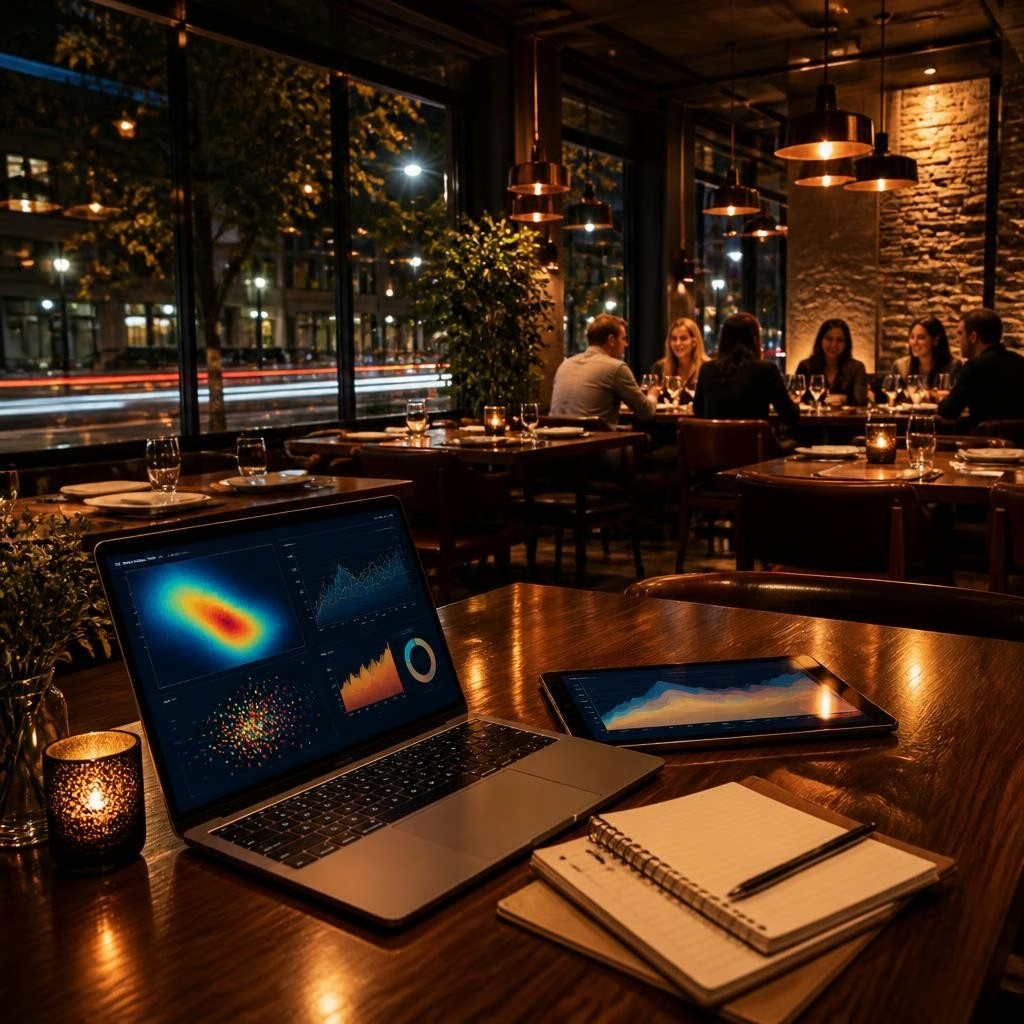
Google Business Profile and other search analytics show popular times, search queries, and actions people take (calls, direction requests, reservations). Those signals can confirm what reviews hint at — for example, a strong after-8pm pattern suggests your bar program is an asset; steady early-week searches might mean local workers are looking for quick meals. Combine both kinds of data to build a clearer schedule map.
Create offers that preserve your brand
Instead of broad discounts, design offers that highlight experience and value: a short prix-fixe menu that showcases signature dishes, a curated wine-pairing night, a chef’s small-plates tasting, or a late-night bar snack menu. These options make slower nights feel special without cutting perceived quality. Limit availability to specific weekdays to create urgency and maintain margin.
Program events that match your audience
Use your data to choose events that will attract the guests already inclined to come. If reviews show families praise kid-friendly options, try a family-friendly weeknight with a simple kids’ plate and early seating. If reviews celebrate your cocktails, schedule a weekly cocktail flight night. Keep events focused, repeat them so they become known, and promote them in the places your guests check first.
Turn guest language into posts and replies
When guests describe what they loved, reuse that exact, authentic language in your Google posts, social updates, and review replies. That builds trust and makes your messaging feel true to the dining experience. RepUpgrade’s Local Trust Engine approach is built around turning real customer words into replies, posts, and short articles — not marketing-speak — so your posts attract the right people and help search engines and AI recommend you with confidence.
Operational tweaks to support new nights
Plan small pilots before changing core operations. Staff a test night with a slightly reduced menu, run a focused event once a week, and monitor service flow. Adjust opening or reservation windows to concentrate demand (for example, two seating times). Train staff with a simple script for the new offering so service matches the promise in your posts and replies.
Measure, iterate, and keep the focus
Track outcomes with the same signals you used to plan: reservations, Google Insights (popular times and actions), review mentions, and social engagement. Look for shifts in who’s coming and what they mention. If a format doesn’t attract the intended guests, tweak the concept, the timing, or the way you talk about it. Small, evidence-driven changes beat large untested discounts every time.
Next steps and how RepUpgrade can help
If you want a practical path forward, start by mapping what customers already say and what search data confirms. RepUpgrade helps restaurants do that work: turning guest words into review replies, social posts, menu copy, and Google Business Profile updates; optimizing your profile for the right search signals; and prioritizing changes based on what will move the needle. For restaurants in Aberdeen, SD, and across the United States, a short pilot that uses reviews and insights to design one new weeknight offer can show whether a concept will stick. When you’re ready, reach out for a conversational audit that focuses on ideas you can test without discounting your brand.
Article by
RepUpgrade
Digital Cowboy helps consultants and small businesses turn their expertise into authority, trust, and opportunity. Through the ACT Framework—Authority → Conversion → Traffic—we connect clear positioning, expert conversations, articles, video, and community into a system that helps the right people discover and choose your business. RepUpgrade extends that approach through reputation. Our human-supported AI system turns customer feedback into on-brand review responses, social content, articles, and actionable insights. Established website, SEO, local marketing, and reputation agencies can add recurring revenue through co-branded or full white-label partnerships while controlling their pricing, brand, and client relationships.