Reputation Rescue: A Calm, Step-by-Step Plan for Restaurants After a Viral Negative Review
A practical, easy-to-follow guide for independent restaurant owners on how to respond publicly, shore up your Google Business Profile, mobilize satisfied guests, and fix what matters most after a viral negative review.
When a review goes viral: breathe and triage
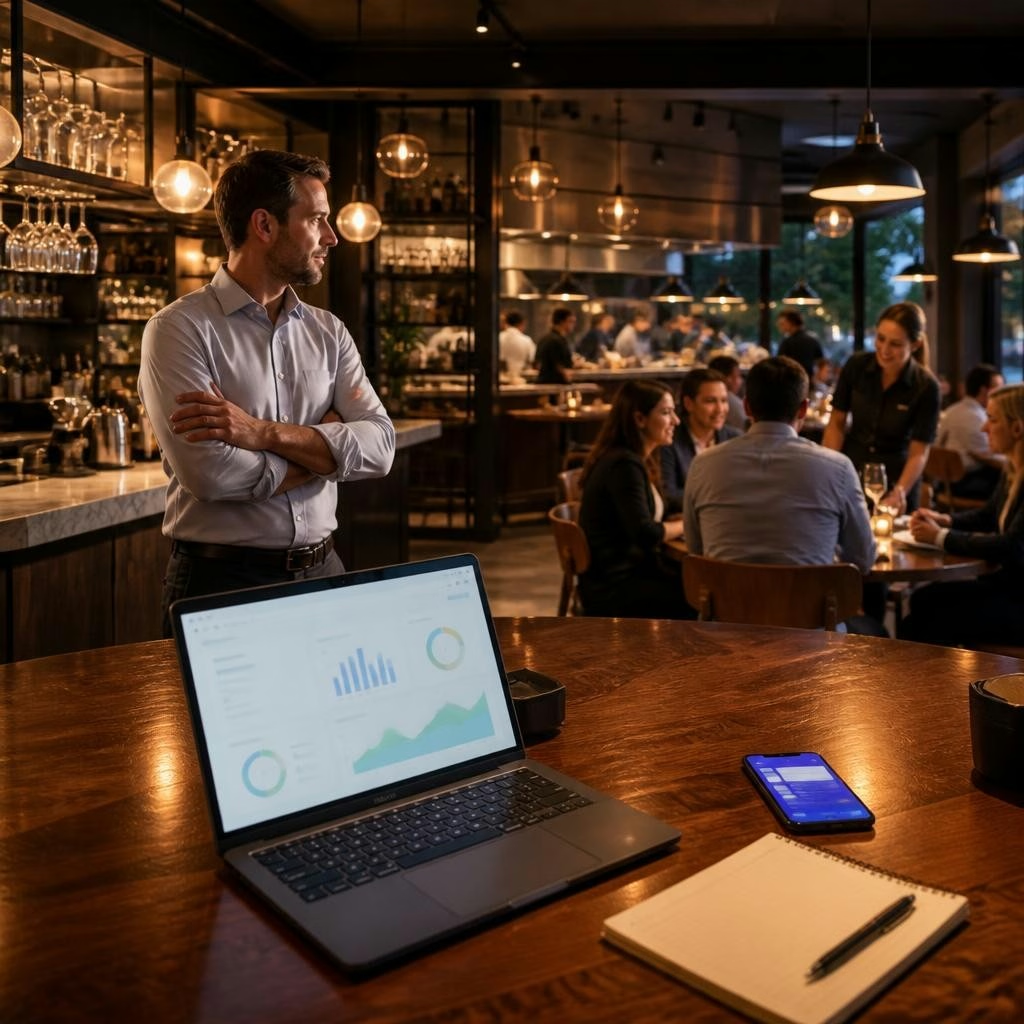
First things first: take a breath. A single viral review can feel overwhelming, but the best outcomes start with a calm, organized response. Triage by collecting the facts: where did it appear (Google, Facebook, Yelp, TikTok), how many people have seen or shared it, and whether the review contains clear inaccuracies or safety concerns. Save screenshots, note the timestamps, and identify any staff involved. This evidence will help you respond consistently across platforms and, if necessary, report policy violations.
Immediate public response: acknowledge, apologize, and invite offline
Respond publicly within 24 hours with a short, empathetic message that shows you take the feedback seriously. The goal is not to win an argument on the thread but to show viewers you care and are taking action. A good structure is: thank the guest for their feedback, express regret they had a poor experience, state that you’re investigating, and invite them to contact you privately to make it right. Keep the tone professional and avoid defensive language—readers are watching how you handle the situation as much as the original complaint.
What to say (short templates you can adapt)
Two short templates you can adapt: 1) Acknowledge + invite: “Thank you for sharing this. We’re sorry you left feeling this way—this isn’t the standard we aim for. Please DM us or call [phone] so we can learn more and make it right.” 2) Corrective + reassurance: “We appreciate your feedback. We’re looking into what happened and have already spoken with the team about preventing this in the future. Please reach out so we can follow up personally.” Use your real contact method and sign with a name or role (manager/owner) so the reply feels human.
Check and fix your Google Business Profile first
Google Business Profile is often the first place potential guests look, so make sure it reflects your current reality. Confirm your hours, menu links, contact phone, and address are correct. Add recent photos that show your food and dining room, update attributes (outdoor seating, reservations, etc.), and post a brief business update addressing the issue if appropriate. If the viral review contains factual errors or violates platform policies, you can flag it for review in Google’s dashboard—but only after you’ve documented the issue and tried a public, measured reply.
Mobilize happy guests without coercion
A single negative review can skew perception; fresh, genuine positive reviews help balance that view. Reach out to recent satisfied guests via email, text, receipts, or in-person asks and invite them to share their honest experience online. Be careful: don’t buy reviews or pressure people—encourage authentic, specific feedback. Small nudges like a follow-up message that thanks guests and provides direct review links make it easy for supporters to leave a review while staying within platform rules.
Use owned channels and social proof strategically
Your website, email newsletter, and social media are places you control. Share real customer praise (with permission), photos of popular dishes, and any corrective steps you’ve taken after the incident. If the viral review spread on a social platform, consider a brief, calm post acknowledging you heard the feedback and are acting—followed by an update once you’ve made changes. This helps shape the narrative for people searching for your restaurant after seeing the negative post.
Fix the root cause and keep staff informed
Public reputation work needs to be matched by internal action. If the complaint highlights operational gaps—timing, training, menu issues—document what went wrong and take concrete steps to prevent recurrence. Hold a short staff meeting to share the facts (without naming the guest), explain any changes, and reinforce how to handle complaints in real time. A staff team that knows the protocol turns a crisis into an opportunity for better service.
Monitor, measure, and follow up
After the initial response and fixes, keep monitoring mentions, comments, and new reviews for several weeks. Track whether you’re getting a lift in positive reviews or if the negative story continues to spread. Look for tangible indicators of recovery: stable or improved reservation rates, fewer repeat complaints of the same type, and more engagement on your corrected Google Business Profile. Consistent small actions are what rebuild trust over time.
When to escalate or call in help
Some situations are best handled with outside help: if a review is defamatory, violates platform policy, or is driving persistent false narratives; if you need a coordinated outreach to loyal guests; or if updating business profiles and search signals feels overwhelming. RepUpgrade specializes in turning customer praise into better visibility and trustworthy replies—we can help prioritize profile fixes, craft public responses, and run respectful review outreach so your online presence better matches the experience you deliver in the room. If you’re in Aberdeen, SD or elsewhere in the U.S., we work with independent restaurants on these exact problems.
Next steps and a simple action plan to follow today
If a viral review hits, follow these steps in order: 1) Gather evidence and save screenshots, 2) Post a calm public reply within 24 hours, 3) Check and update your Google Business Profile, 4) Reach out to satisfied guests and ask for honest reviews, 5) Fix any operational issues with your team, and 6) Monitor mentions and follow up publicly once changes are made. If you’d like help drafting responses or prioritizing profile fixes, reach out—small, focused steps today can stop a viral review from becoming a long-term problem.
Article by
RepUpgrade
RepUpgrade helps independent restaurants turn customer praise into stronger Google visibility, better review responses, and more useful marketing content. Our Local Trust Engine helps owners understand what guests are saying, what proof is missing online, and what to improve first. We turn real customer words into review replies, social posts, articles, and reputation signals that help Google, search engines, and AI answer engines recommend the restaurant with more confidence. Built for restaurants that already do great work but need their online reputation to reflect the food, service, and hospitality guests experience in the room.