Local Trust Signals Every Independent Restaurant Should Have on Google and Beyond
Practical, restaurant-focused checklist explaining the online trust signals—reviews, photos, menus, hours, profile completeness—and clear steps owners can take (or ask a consultant to do) so search engines and AI confidently recommend the restaurant.

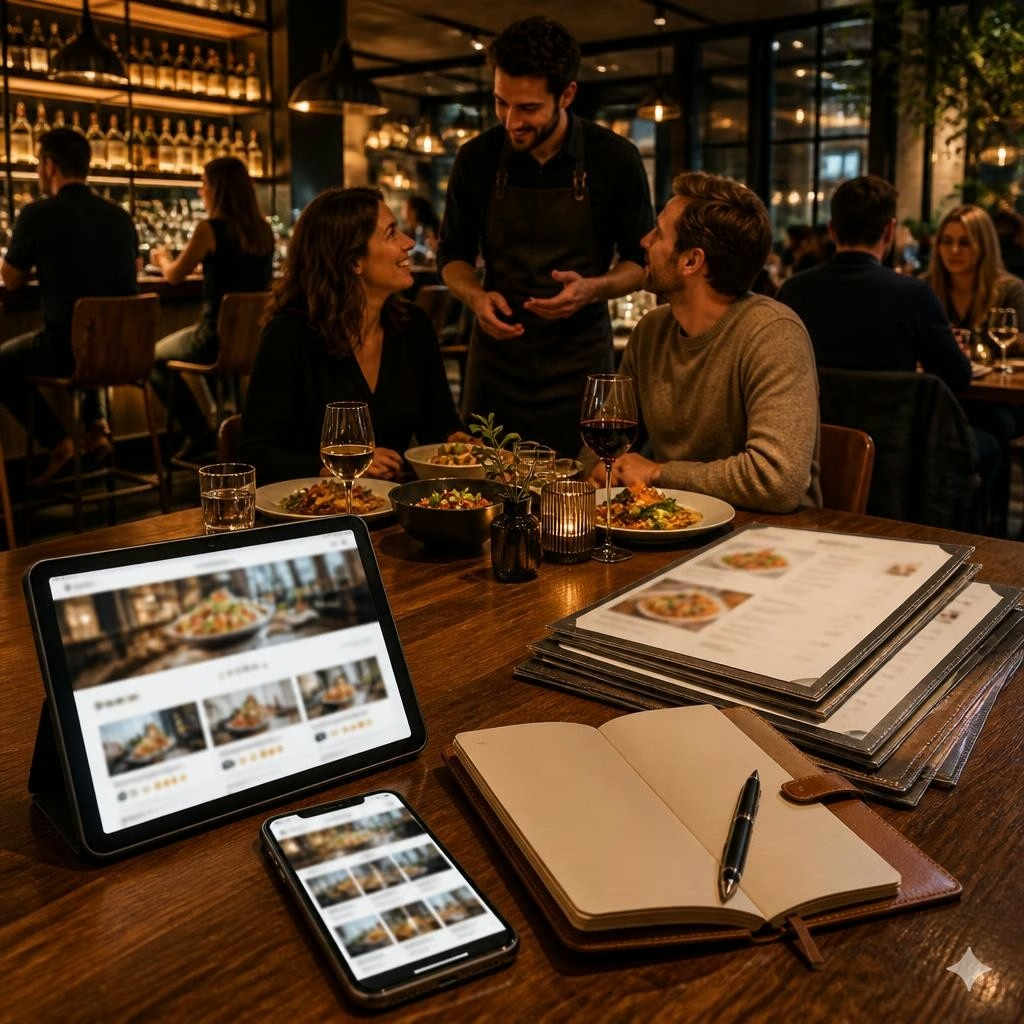
Why local trust signals matter for independent restaurants
When guests search for a place to eat, search engines and AI assistants look for consistent proof that a restaurant delivers on its promise. Trust signals—recent reviews, accurate hours, clear menus, and real photos—help those systems understand what you actually offer and recommend you to potential diners. For independent restaurants that already serve great food in the room, aligning online signals with the guest experience is one of the fastest ways to turn walk-in praise into steady discovery.
Review volume and recency: keeping the conversation current
Search platforms favor businesses with a steady flow of recent feedback. Encourage guests to leave reviews soon after their visit by making the ask friendly and simple—QR codes on receipts, table tent cards, or a one-line prompt from staff. Aim for a reliable cadence rather than a single burst: consistent, modest inflows of reviews look more natural and more trustworthy than an old backlog or an abrupt spike.
Review quality and what to highlight
Beyond star ratings, the words customers use matter. Helpful reviews mention menu items, special dietary options, service traits, and atmosphere. Train staff to invite comments on specifics—favorite dishes, service moments, or how you handled a special request—so those details appear naturally in reviews. Those specifics become the language search engines and AI match to local queries.
Photos that show what guests actually experience
High-quality photos of food, dining spaces, and your team make a big difference. Use well-lit, true-to-life images that reflect regular service (not only staged, perfect shots). Update photos seasonally and after menu changes so online galleries match what guests will see. Include a mix of close-ups of dishes, wider shots of the dining room, and a few staff-at-work images to communicate atmosphere and service.
Menu clarity: make it easy for people and machines
A clear, structured menu helps both customers and search systems understand what you serve. Use a readable online menu (text-based rather than image-only), list key modifiers (vegan, gluten-free), and keep prices and availability current. If you change menus seasonally or offer specials, note effective dates. Search engines and voice assistants prefer structured, accessible menu content when answering queries about dishes or dietary needs.
Hours and attributes: expectations reduce friction
Accurate hours, including holiday changes and special-service times (brunch, late-night), prevent bad experiences that harm trust. Keep your primary hours updated in your business profile and set temporary closures or special hours well in advance. Also populate attributes like 'outdoor seating' or 'accepts reservations' so search results surface the right expectations.
Complete business profile: categories, contact, and web presence
A complete Google Business Profile and consistent details across directories reduce confusion. Use the most specific category available, provide a clear phone number and website link, and ensure your address/mailing info is consistent across platforms. Consistency in basic facts helps search engines consolidate signals and improves the chance you appear in local recommendations.
Responding to reviews: turn praise into proof
Thoughtful responses show you read feedback and reinforce the points guests mention. Reply promptly to positive reviews by thanking the guest and echoing specific details they praised (a dish name, a service moment)—this turns guest language into reliable signals. For critical reviews, respond professionally and offer to continue the conversation offline. Both types of replies demonstrate active management of your reputation.
Local citations, links, and social proof
Mentions of your restaurant on local sites, menus on third-party directories, and social posts from guests act as supporting evidence. Make sure listings on major directories match your official information and request corrections when they don’t. Encourage guests to tag you on social media and consider reposting authentic guest photos to reinforce real-world proof of your service and dishes.
Practical routine: simple tasks to keep signals fresh
Set up a weekly checklist: confirm hours and specials are correct, add one or two recent photos, follow up on recent diners for reviews, and scan profile analytics for drops or gaps. Small, regular maintenance prevents stale signals from undermining discovery. If you prefer to delegate, a focused consultant can run this routine and translate customer words into review replies, social posts, and content that search engines understand—saving you time while keeping your online reputation aligned with the experience you provide.
Article by
RepUpgrade
RepUpgrade helps independent restaurants turn customer praise into stronger Google visibility, better review responses, and more useful marketing content. Our Local Trust Engine helps owners understand what guests are saying, what proof is missing online, and what to improve first. We turn real customer words into review replies, social posts, articles, and reputation signals that help Google, search engines, and AI answer engines recommend the restaurant with more confidence. Built for restaurants that already do great work but need their online reputation to reflect the food, service, and hospitality guests experience in the room.