How to Use Guest Feedback to Decide Your Restaurant’s Next Menu Change
Practical steps for reading reviews, comment cards, and DMs so you can decide which dishes to keep, tweak, or retire — and how to announce updates online in ways that create buzz and fresh customer praise.

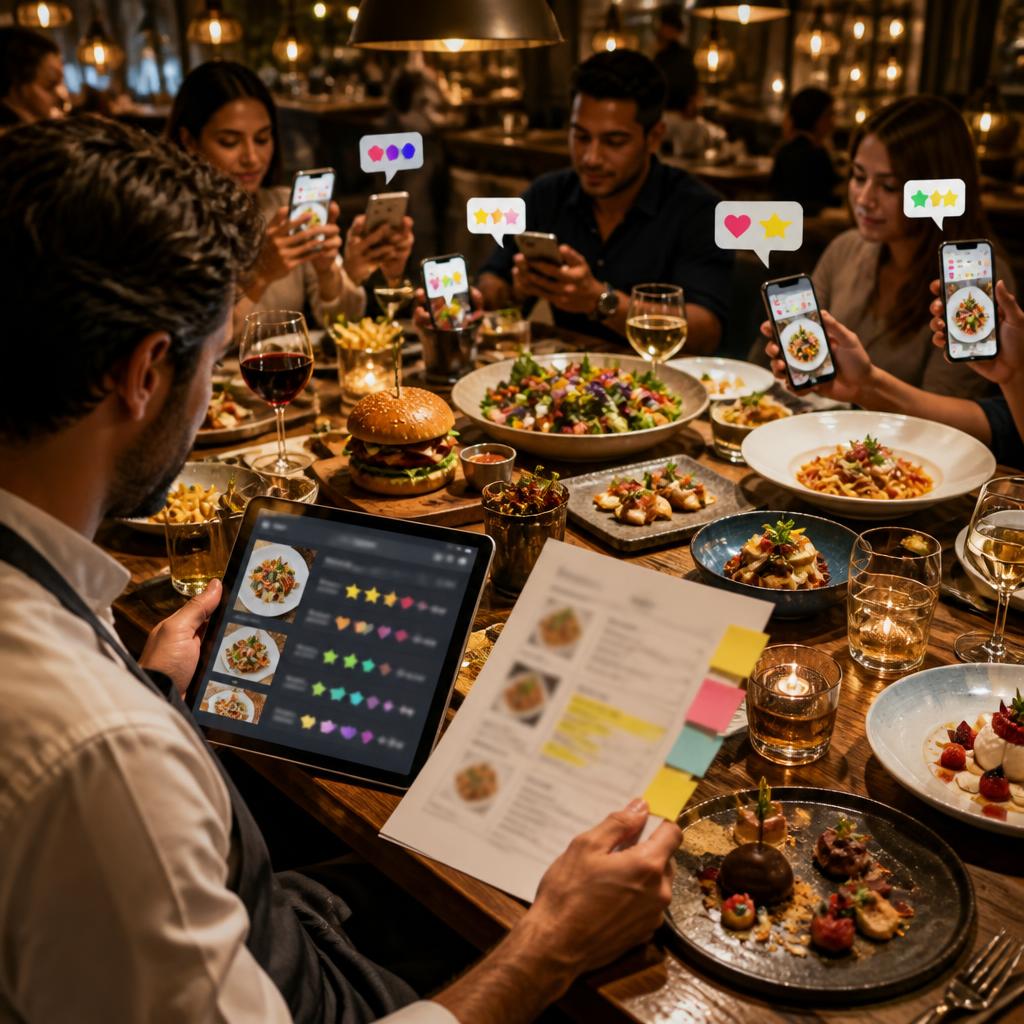
Why guest feedback is the best menu research you already have
Guest feedback — from Google reviews to handwritten comment cards and quick DMs — is direct information about what people notice, remember, and recommend. For restaurants that already do great work, this feedback reveals small gaps between dining room reality and what appears online. Listening carefully helps you make menu changes that feel local, authentic, and likely to please repeat guests and newcomers alike.
Gather feedback from every touchpoint
Make a habit of collecting comments from multiple places: on-platform reviews, social media DMs, reservation notes, staff reports, comment cards, and casual in-person remarks. Each channel shows different behaviors — reviews often highlight standout experiences, while DMs or comment cards can capture quick suggestions and nitpicks. Keeping these channels organized makes it easier to spot patterns instead of treating every comment as unique.
Read feedback with a simple categorization method
When you review comments, classify them into clear buckets: praise (what guests love), friction (what annoyed them), requests (what guests want added or changed), and repeat mentions (things mentioned multiple times). Note the strength of the language — enthusiastic praise and repeated suggestions matter more than one-off notes. This structured reading prevents knee-jerk decisions and focuses attention on trends.
A practical framework: keep, tweak, or retire
Decide whether a dish should stay, be adjusted, or removed by weighing three things together: guest sentiment, operational fit, and business goals. Keep dishes that consistently earn praise and fit your kitchen flow. Tweak dishes that get mixed feedback but have strong potential (small changes to seasoning, portion, or plating). Consider retiring items that consistently underperform, create kitchen bottlenecks, or contradict your concept — but test first before making big cuts.
Small tweaks that often solve big complaints
Many menu problems respond well to modest changes: clarify item descriptions to set expectations, adjust portion sizes to match price perception, tweak seasoning or cooking time based on common notes, or change plating for better temperature and appearance. These fixes are lower risk than a full recipe overhaul and let you respond quickly to what guests are actually saying.
How to run low-risk tests before committing
Soft-launch potential changes as specials or limited-time features so you can collect fresh feedback. Brief front-of-house staff to ask guests what they think, track sales and comment frequency, and compare how the updated dish performs versus the original. Small experiments let you iterate without disrupting regular service or alienating regulars.
Announcing menu changes in ways that generate buzz
When you’re ready to promote a change, tell the story — why you adjusted the dish, who inspired it, or how guests’ feedback shaped it. Use photos that show the updated plating, post behind-the-scenes prep clips, and pin announcements on your Google Business Profile and social channels. Timed correctly and told honestly, these posts invite customers to try the change and share their experience.
Turn guest words into fresh online content and responses
Use common customer phrases (without quoting verbatim) to craft review replies, social captions, and menu copy that reflect actual guest experience. Respond to recent reviews thoughtfully to show you listen — mention improvements you’ve made and invite the reviewer back to try the update. Republishing the essence of positive feedback helps search engines and potential customers see what’s genuinely valued about your menu.
Measure results and iterate
After changes, watch for shifts in guest sentiment and behaviors: more mentions of the dish, higher selection rates, and improved review language about that menu item. Use a consistent window to compare feedback before and after the change and keep testing until the update fits both guest preferences and kitchen realities. Iteration keeps your menu aligned with what your community actually wants.
How RepUpgrade can help translate feedback into action
If you want help turning guest words into clearer choices and better online presence, RepUpgrade’s services — like Business Profile Optimization, Customer Reviews work, and marketing content generated from real feedback — are built for restaurants that already do great work but need their reputation to reflect it. We help organize feedback, draft thoughtful review replies and social posts, and highlight the proof guests care about so your updates reach more hungry customers. If you’d like a practical partner for menu-testing and announcement strategy, reach out and we’ll walk through next steps together.
Article by
RepUpgrade
Digital Cowboy helps consultants and small businesses turn their expertise into authority, trust, and opportunity. Through the ACT Framework—Authority → Conversion → Traffic—we connect clear positioning, expert conversations, articles, video, and community into a system that helps the right people discover and choose your business. RepUpgrade extends that approach through reputation. Our human-supported AI system turns customer feedback into on-brand review responses, social content, articles, and actionable insights. Established website, SEO, local marketing, and reputation agencies can add recurring revenue through co-branded or full white-label partnerships while controlling their pricing, brand, and client relationships.