From Takeout-Only to Dine-In Darling: Updating Your Online Reputation After a Service Shift
Practical, step-by-step guidance for restaurants that have moved from takeout or delivery back to dine-in — how to update profiles, use reviews, collect fresh proof, and communicate with guests so search engines and customers see the new experience.

Why your online reputation needs an update after a service change
When a restaurant changes format — from takeout-only to welcoming dine-in guests again, adding reservations, or expanding delivery — your online presence needs to reflect that shift. Customers and search engines look for current signals: business attributes, recent photos, review content, and profile posts. If those signals still describe takeout-only service, you risk confusing guests and missing bookings. Updating your reputation makes sure what people find online matches the experience you offer in the dining room.
Start with the business profile: the basics you must change first
The fastest way to retrain search engines and guests is to update your main business profile(s). That means adjusting service options and attributes (allowing dine-in, reservations, table service), clarifying current hours, adding reservation or booking links, and making sure categories accurately represent the restaurant today. These fields are highly visible to customers and often used by search and AI systems when deciding what to show.
Refresh photos and media to show the dine-in experience
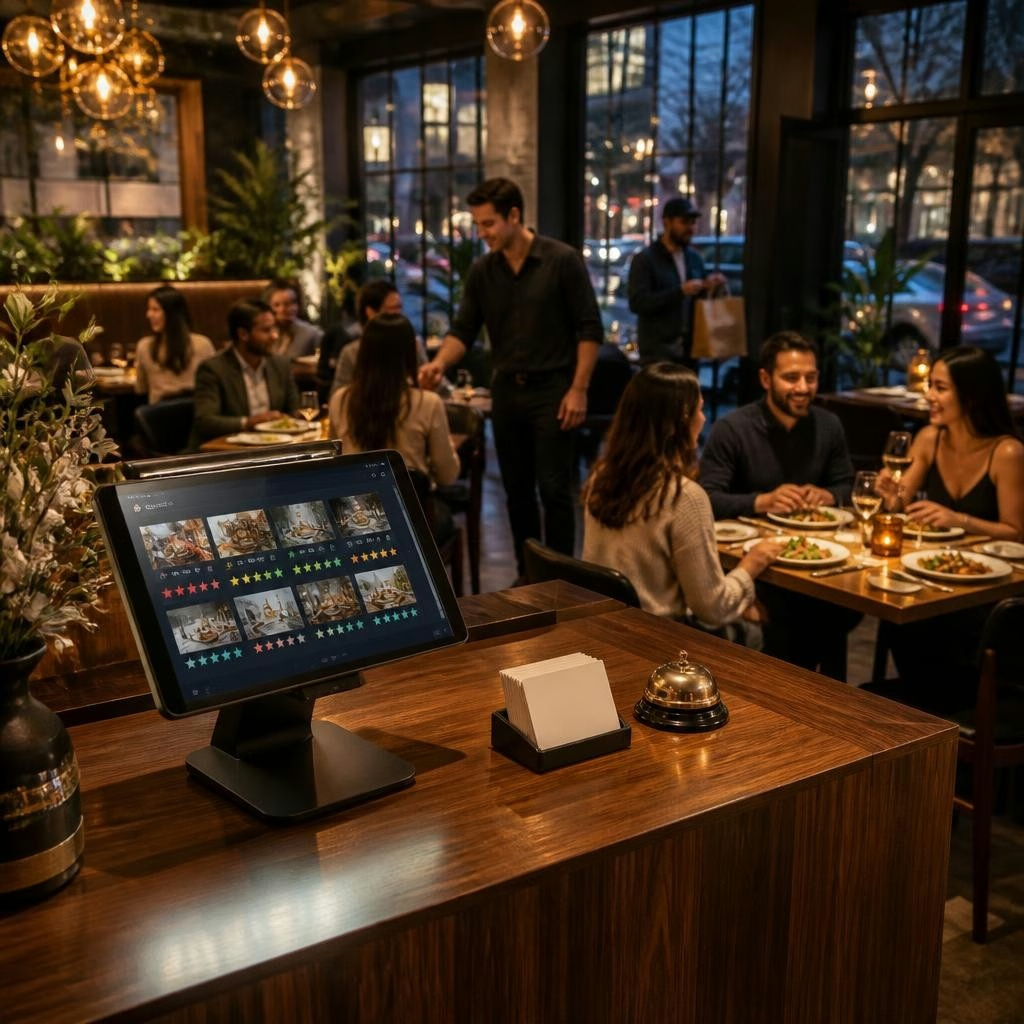
Images are powerful proof. Replace or add photos that clearly show table settings, seating layout, staff serving customers, and the restaurant atmosphere. Share pictures of plated dishes as they appear in the dining room rather than only takeout containers. Add a short menu PDF or an interior video to your profile when possible. Fresh, authentic visuals help guests imagine visiting and help search engines classify you as a dine-in option.
Turn recent guest feedback into signals of the new format
Ask for and encourage reviews that mention the dine-in experience: ambiance, speed of service, menu items available for dining, and reservation clarity. When guests describe specific in-room details, those words act as evidence for search engines and future customers. If your current reviews mostly reference takeout, prioritize getting a steady stream of recent dine-in reviews so the overall narrative shifts.
Reply to reviews with context about the change
Responding to both new and older reviews is a chance to highlight your new service. In replies, thank guests and mention that you now offer dine-in or reservations where appropriate. This demonstrates to readers that the business has evolved. If you need help crafting thoughtful, on-brand replies that incorporate real guest phrases without sounding canned, services that turn customer words into tailored responses can save time and keep communication consistent.
Use posts and short updates to announce changes clearly
Profile posts, social updates, and ‘what’s new’ sections are ideal for announcing a service shift. Share a brief post about reopening for dine-in, new reservation instructions, or menu items that are best enjoyed in-house. Regular, short updates keep the change visible while you accumulate fresh reviews and photos — and they give local customers immediate, useful details.
Collect the right proof: what to ask guests and how to ask
Train staff to gather helpful online proof during the guest interaction: invite diners to snap a photo of their plated meal, mention a signature dish, or leave feedback about the atmosphere. Simple in-person prompts work best when they feel natural: thanking a table and adding that an online review mentioning the dining experience helps others find you. Be specific about the experience you want highlighted (service, ambiance, particular dishes) so guest language becomes useful evidence online.
Fix structured SEO signals and profile details behind the scenes
Beyond visible profile fields, make sure your website and online listings reflect dine-in features: menu pages, reservation links, structured data (where you or your web provider can add it), and consistent NAP (name, address, phone) information. These elements support profile updates and help search engines combine signals that confirm you’re a dine-in option. If you’re using a reputation system, integrate fresh review content into site pages and social feeds to reinforce the change.
A practical timeline and priority checklist
Begin with the highest-impact items: update your business profile attributes and hours, add reservation links, and upload recent interior and plated-food photos. Next, start inviting dine-in guests to leave reviews and post short profile updates announcing the change. Parallel to that, respond to recent reviews and add menu and booking details to your website. Expect visible improvements in how you’re presented online as fresh reviews and media accumulate over a few weeks.
How RepUpgrade can help and next steps
If you want a hands-on partner, RepUpgrade focuses on turning guest language into the exact reputation signals you need: optimized business profiles, crafted review replies, social posts, and articles based on what diners actually say. Our Local Trust Engine helps identify what proof is missing online and prioritizes the changes that move the needle fastest. If you’d like a practical review of your current profiles and a step-by-step plan for shifting perceptions from takeout to dine-in, reach out for a focused conversation and a simple action roadmap.
Article by
RepUpgrade
Digital Cowboy helps consultants and small businesses turn their expertise into authority, trust, and opportunity. Through the ACT Framework—Authority → Conversion → Traffic—we connect clear positioning, expert conversations, articles, video, and community into a system that helps the right people discover and choose your business. RepUpgrade extends that approach through reputation. Our human-supported AI system turns customer feedback into on-brand review responses, social content, articles, and actionable insights. Established website, SEO, local marketing, and reputation agencies can add recurring revenue through co-branded or full white-label partnerships while controlling their pricing, brand, and client relationships.