Building a Front‑of‑House Playbook That Naturally Generates Great Reviews
Practical, staff‑friendly habits and short scripts that connect greetings, table touches, checks, and farewells to the kinds of details guests praise in 5‑star reviews—plus tips for training and turning real guest words into better online visibility.

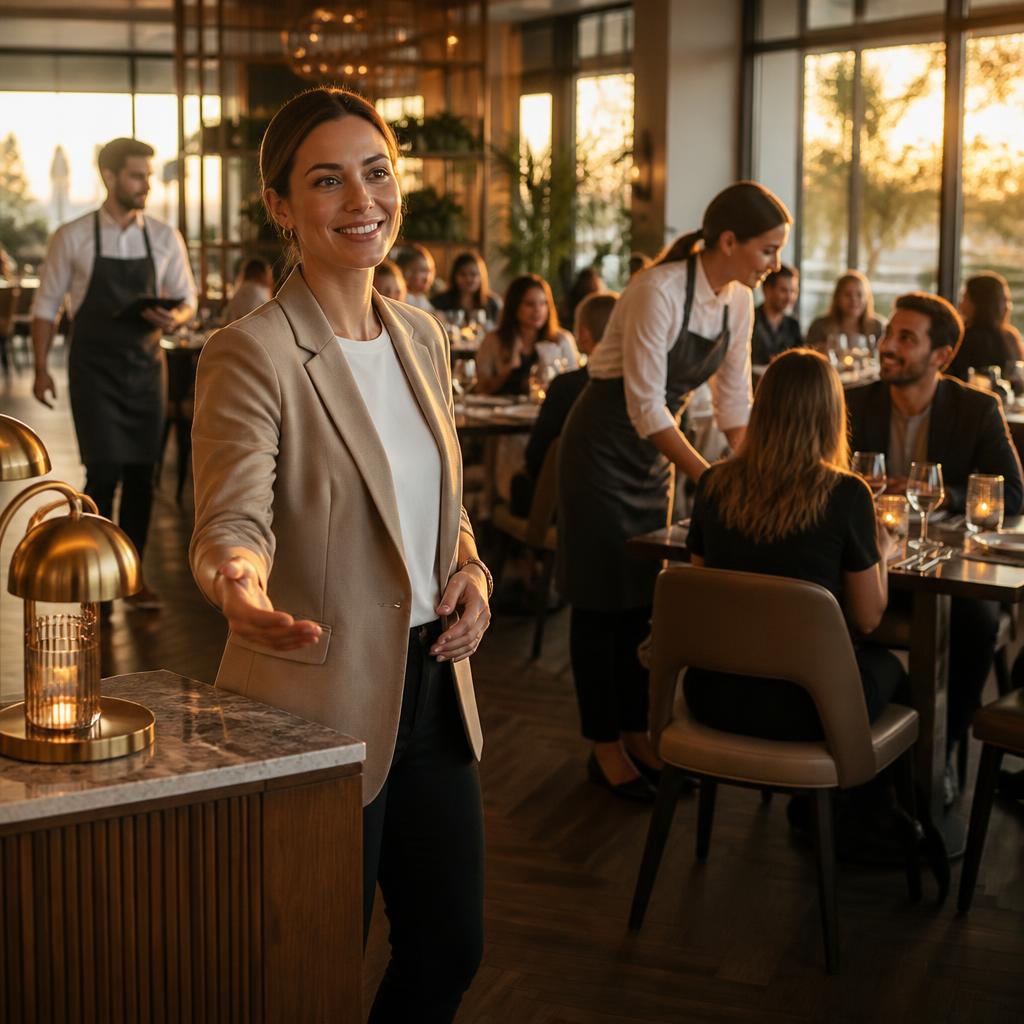
Why front‑of‑house habits shape online praise
Guests don’t write reviews about abstract processes; they write about moments—a warm welcome, a thoughtful recommendation, a server who noticed a birthday. Those small, repeatable interactions are what reviewers remember and describe. When a restaurant builds simple, consistent FOH habits, those guest words start to show up again and again in reviews, which makes the business look more reliable and memorable to other diners and search engines.
Think in moments, not scripts
Instead of teaching staff to recite long lines, break service into repeatable moments: the greeting, the point‑of‑sale order, the first pour, the mid‑meal checkback, and the farewell. For each moment decide the goal (comfort, confidence, delight), one key action (smile, name recall, timely refill), and one natural phrase. This keeps interactions human while ensuring guests consistently experience the details they later praise.
Match moments to the phrases guests use
A few examples show how small actions translate to words in reviews: a warm, named greeting leads to mentions of “friendly staff”; timely refills and attention lead to “attentive service”; thoughtful recommendations become “great suggestions” or “perfect pairing.” Map the guest language you want to see—friendly, knowledgeable, attentive—to the specific FOH moment that most influences it.
Greeting and seating: short, natural scripts
Goal: make guests feel immediately welcome and oriented. Script starters: “Welcome—thank you for choosing us. Table for two? I’ll get you settled and bring a drink menu.” Or when seating: “This is a cozy spot—if you’d prefer a quieter table, I can move you right away.” Keep it flexible: encourage staff to use their own voice and add one personal detail (weather, quick menu tip) to make the interaction feel genuine.
Order‑taking and recommendations that build trust
Goal: show knowledge without pressure. Try: “If you like [flavor/profile], our [dish] tends to be a guest favorite—interest in giving it a try?” or “Would you like a few minutes to look over specials?” Use discovery questions like “Are you sharing?” or “Do you prefer lighter or richer flavors?” Brief, tailored recommendations increase the chances guests mention both the dish and the server’s helpfulness later.
Table touches and problem prevention
Goal: catch issues early and reinforce care. Train staff to do a quick, unobtrusive touch 2–3 minutes after plates arrive with a simple line: “How’s everything tasting?” If there’s any concern, empower staff to offer a quick fix or manager attention. When servers proactively solve small problems, guests often highlight responsiveness in reviews—without feeling like they were handed a scripted apology.
Checks, gratuity cues, and graceful farewells
Goal: leave a positive final impression. When presenting the check, pair efficiency with warmth: “I’ll leave this here—take your time, and I can bring anything else you need.” For departures, encourage a short personal farewell: “Thanks so much for coming in tonight—hope to see you again soon.” These last words are commonly quoted by reviewers and are a final chance to reinforce brand tone.
Practical training methods that stick
Make these habits part of short, regular practice—not long seminars. Shift huddles of five minutes to run the day’s priorities, roleplay two or three moments during slow periods, and use a one‑page pocket guide with the moment, goal, and a phrase. Track simple cues like “greeting rate” or “first pour time” qualitatively during shifts so managers can coach in real time without creating robotic behaviors.
Capture guest language and turn it into better visibility
When guests praise specific dishes, terms, or staff behaviors, those exact words are valuable. RepUpgrade’s Local Trust Engine (what we use with clients) helps restaurants collect the real phrases guests use and translate them into review responses, social posts, and content that supports Google and search engines. That means the same guest words that make reviews convincing also become the proof search engines use to recommend the restaurant.
Next steps for managers and owners
Start with one moment per week: pick greeting this week, table touches next week, and so on. Run short roleplays, note which phrases staff naturally prefer, and refine scripts so they feel like conversation. If you want help turning guest language into review replies, posts, or content that helps search visibility, consider bringing in assistance that understands both operations and online reputation—RepUpgrade works with restaurants across the United States, including Aberdeen, SD, to make that connection practical and ongoing.
Article by
RepUpgrade
Digital Cowboy helps consultants and small businesses turn their expertise into authority, trust, and opportunity. Through the ACT Framework—Authority → Conversion → Traffic—we connect clear positioning, expert conversations, articles, video, and community into a system that helps the right people discover and choose your business. RepUpgrade extends that approach through reputation. Our human-supported AI system turns customer feedback into on-brand review responses, social content, articles, and actionable insights. Established website, SEO, local marketing, and reputation agencies can add recurring revenue through co-branded or full white-label partnerships while controlling their pricing, brand, and client relationships.